
Nuclear Medicine

What is Nuclear Medicine?

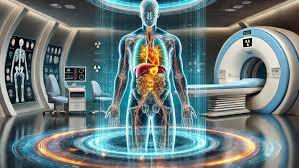
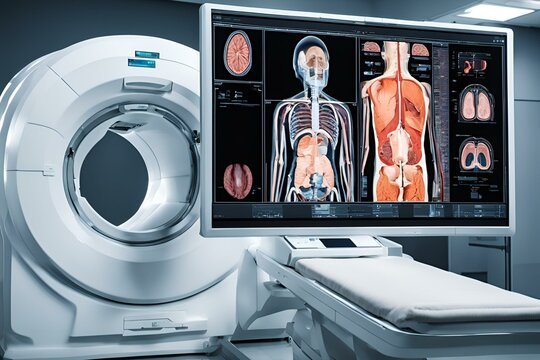
Nuclear Medicine (NM) is a specialized medical imaging technique that utilizes small amounts of radioactive isotopes attached to molecules or chemicals, known as radiopharmaceuticals. These radiopharmaceuticals, once administered to the patient, localize within specific organs and organ systems and emit photons, which are then detected by sophisticated equipment called Gamma Cameras. Unlike conventional imaging modalities, such as x-rays, CT scans, or MRIs, Nuclear Medicine provides functional information, including physiological, pathological, molecular, and metabolic details of various tissues and organs within the body.

In addition to diagnosis, Nuclear Medicine also encompasses several therapeutic applications, notably in the treatment of hyperthyroidism, thyroid cancers, advanced neuroendocrine tumors, bone pain resulting from cancer metastasis, and inflammatory joint disorders. 

How is the Procedure Conducted?

The procedure typically involves intravenous administration of the radiopharmaceutical. Depending on the type of study, scanning may occur immediately or after a certain period following the administration of the radiotracer. Various images or serial scans may be required in some cases. 

What is Nuclear Medicine?

Safety of Nuclear Medicine Procedures

General Instructions

Different Types of Nuclear Medicine Studies

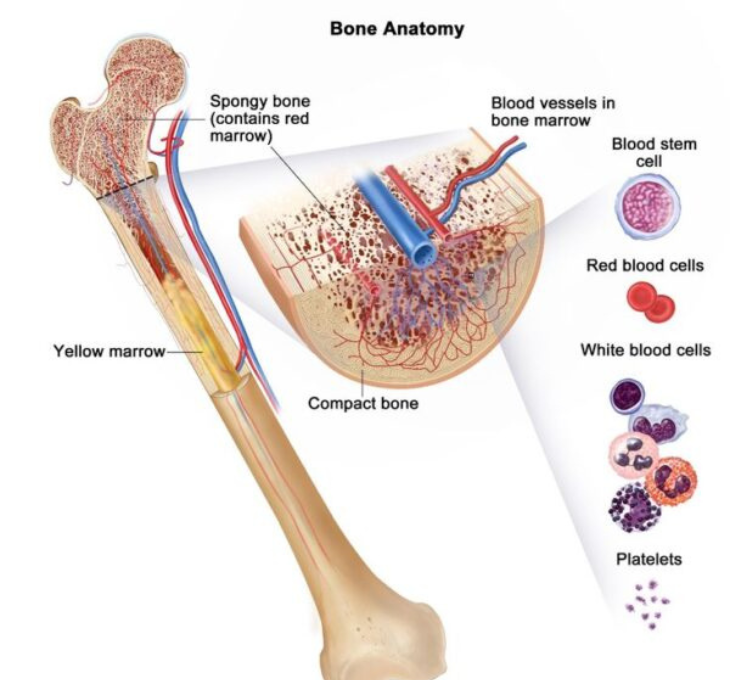
Bone Scan

Detects bone cancer, tumors, fractures, or infections. No special preparations are required.
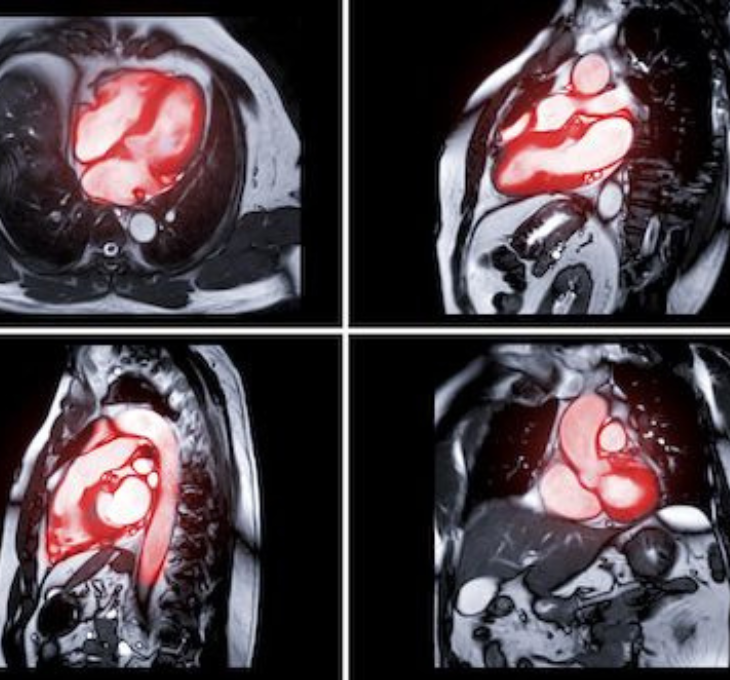
Myocardial Perfusion (Heart) Scan

Provides a three-dimensional image of the heart to assess blood flow under stress and resting conditions. Special instructions are provided for this study, and patients may remain in the department for up to five or six hours.
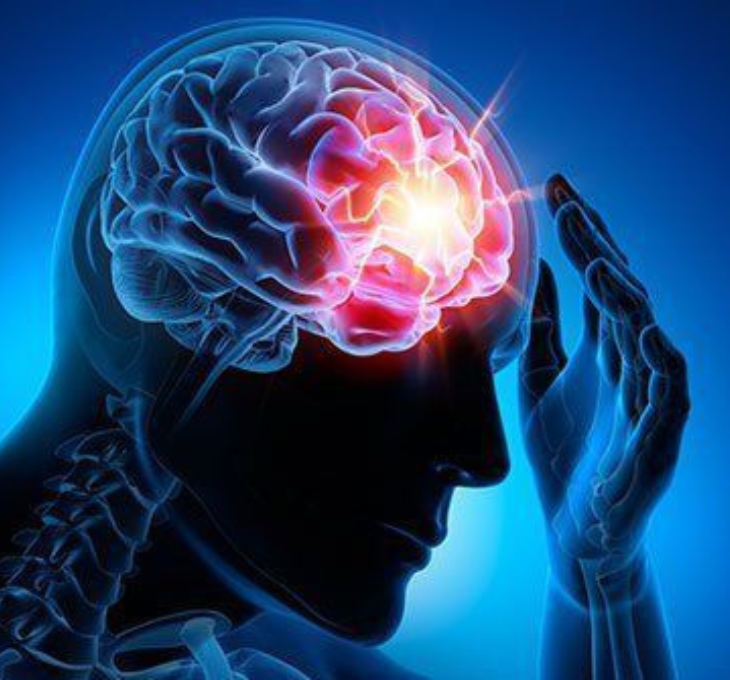
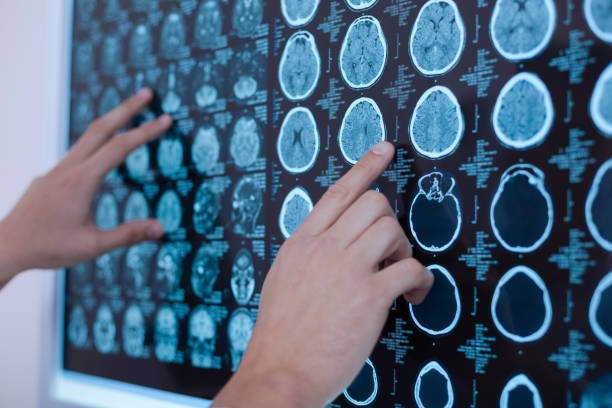
Brain SPECT/PET

Evaluates blood flow in different brain areas and aids in the diagnosis of dementia, stroke, headaches, or seizures.
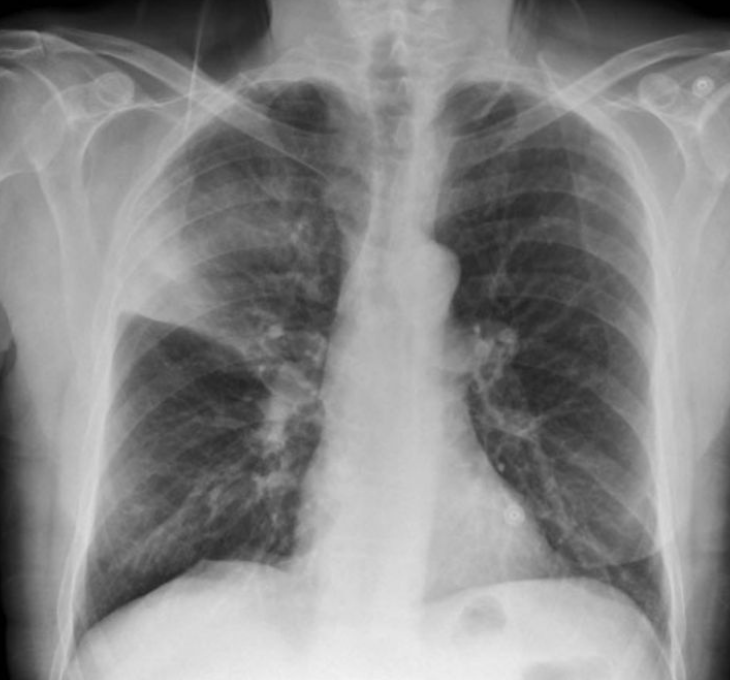
Lung Scan

Demonstrates blood supply to the lungs and helps detect blood flow obstructions, such as pulmonary embolism.
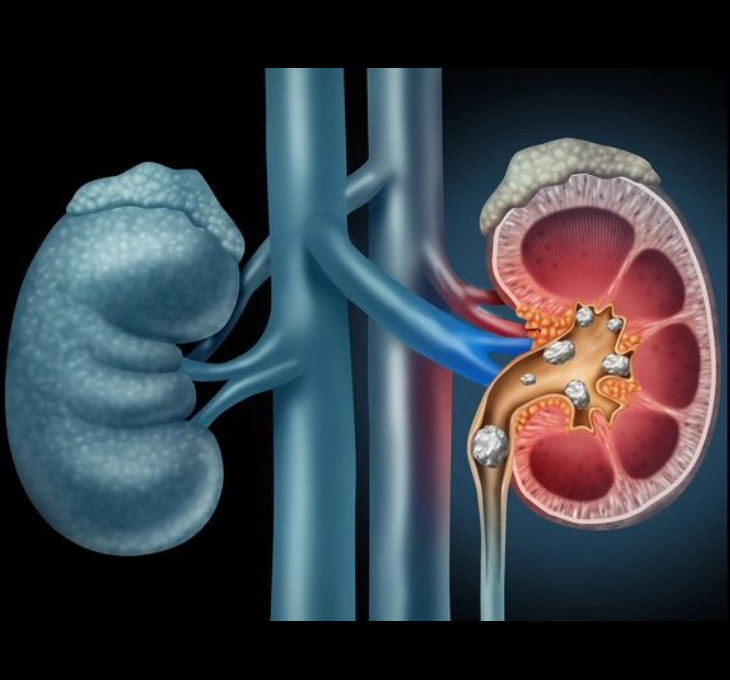
Kidney and Bladder Scan

Evaluates kidney function, blood flow to each kidney, and detects urinary flow abnormalities.
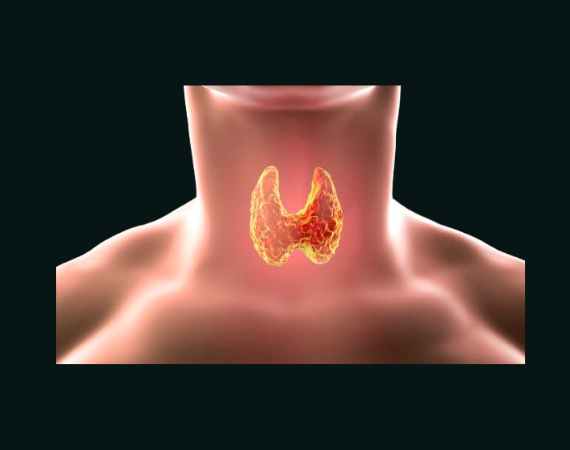
Thyroid Scan

Assesses thyroid gland function, especially hyperactivity.
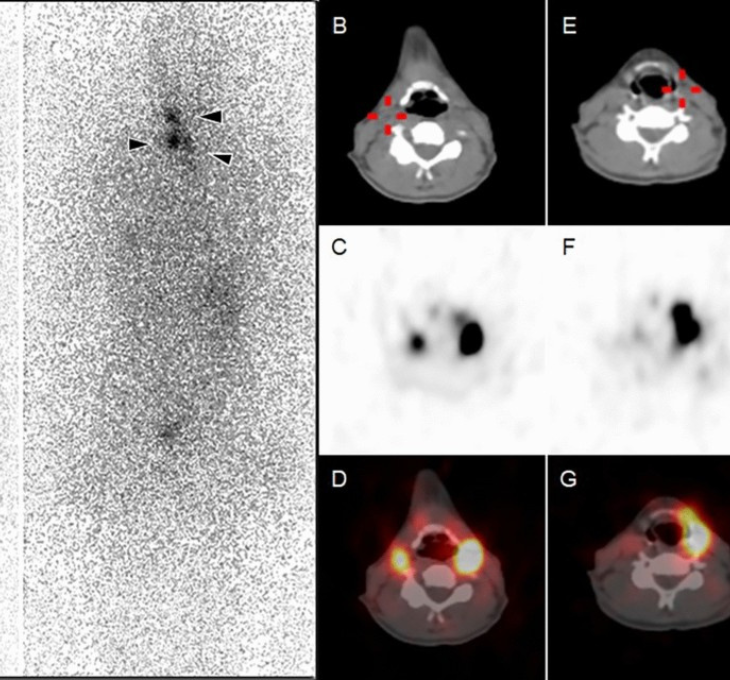
I-131 Scan

Performed in thyroid cancer patients after thyroid surgery or during follow-up.
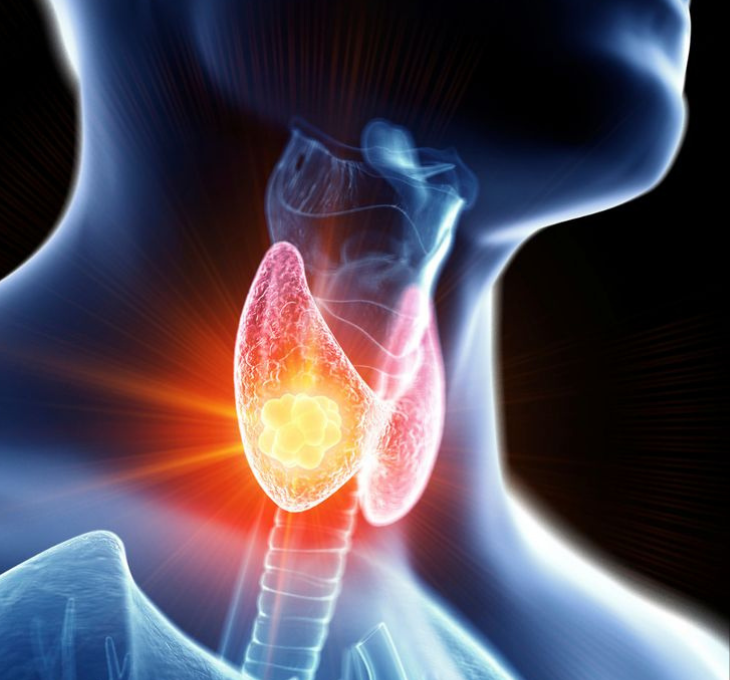
Parathyroid Scan

Used to identify parathyroid gland abnormalities causing elevated calcium levels.
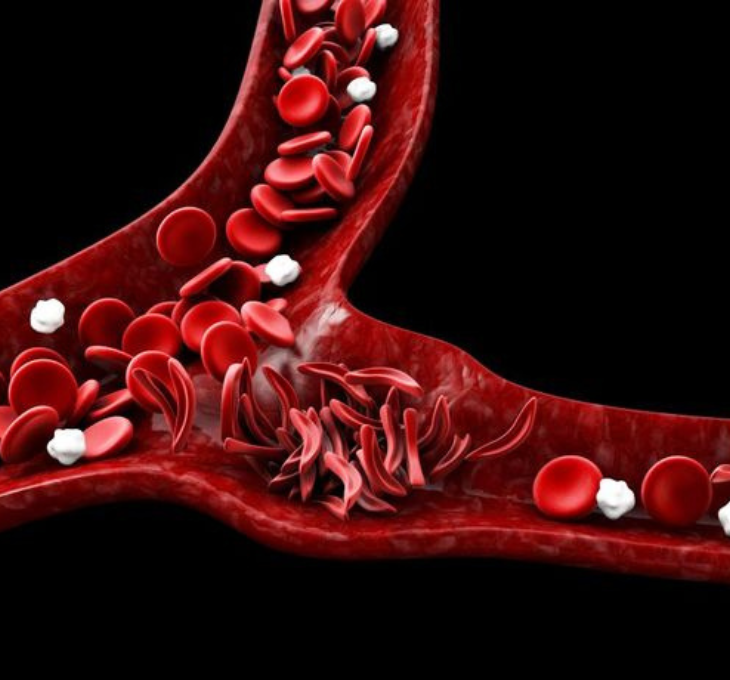
GI Bleed (Red Cell) Scan

Localizes gastrointestinal bleeding sites for appropriate treatment.
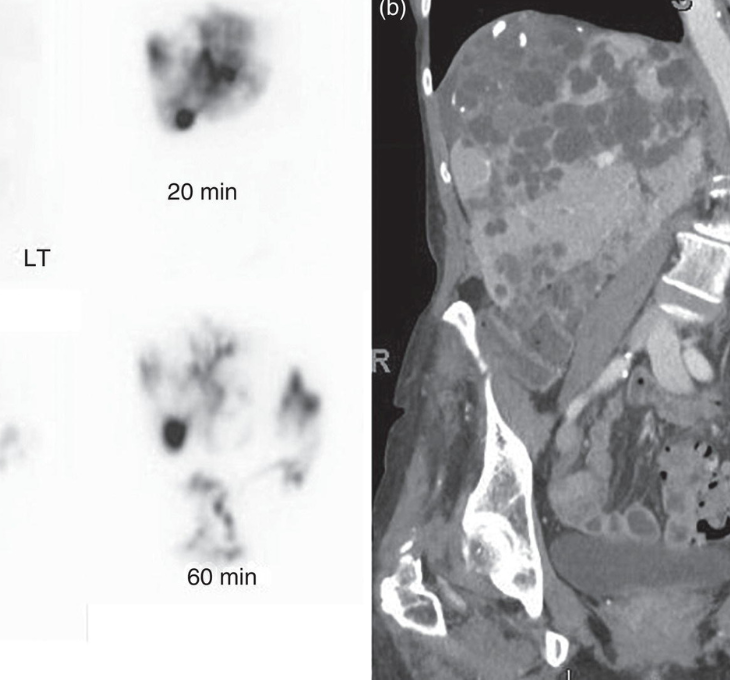
Hepatobiliary Study

Obtains liver and gallbladder images to diagnose liver dysfunction, gallbladder inflammation, etc.

Scroll to Top
Call Now Button