Radionuclide Therapy: Harnessing the Power of Radioisotopes
Radionuclide therapy offers a range of treatments for challenging medical conditions, with some being the preferred option for specific ailments. Among these, radioiodine therapy stands out, particularly for addressing hyperthyroidism and thyroid cancer.
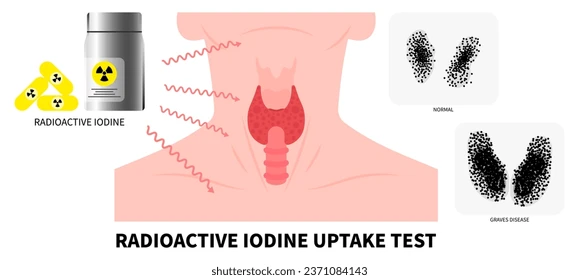
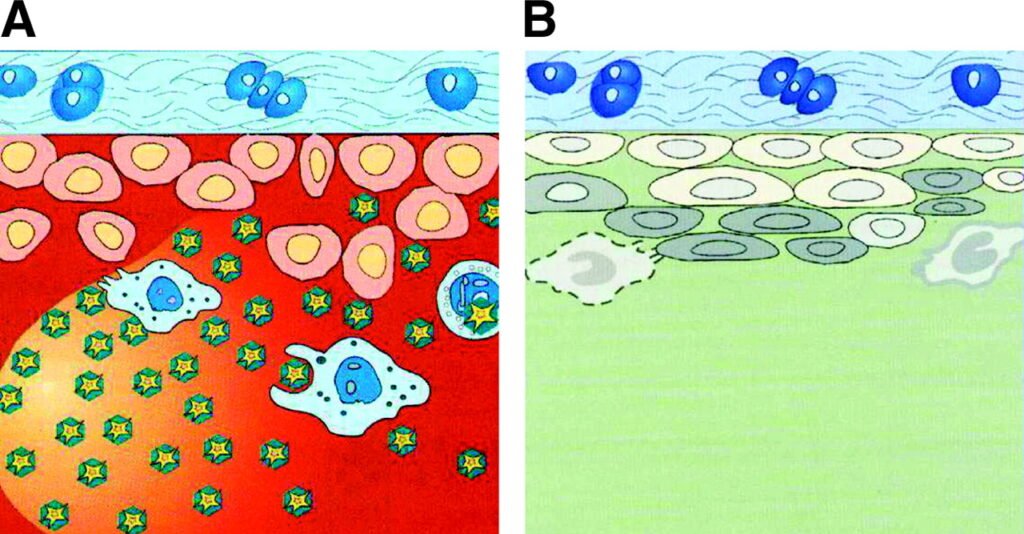
Radioactive Iodine I-131, a beta-emitting isotope derived from stable iodine, naturally resides in the thyroid gland. This gland, located in the neck, regulates metabolism by producing hormones. When the thyroid becomes overactive, it generates excessive hormones, leading to conditions like hyperthyroidism, often caused by Graves’ disease or nodules within the gland.
Administering a small dose of I-131 orally allows it to be absorbed into the bloodstream through the gastrointestinal tract. The thyroid gland then concentrates the radioiodine, initiating the destruction of its cells. Any surplus radioiodine is primarily eliminated through urine, swiftly exiting the body. This therapy is highly effective for managing hyperthyroidism and is often the preferred treatment.
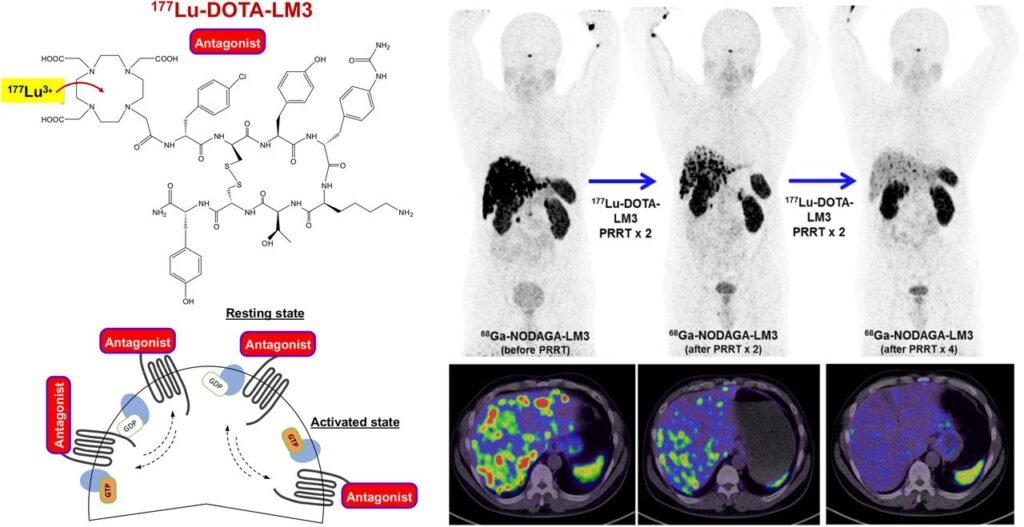
Other Radionuclide
Therapy Procedures
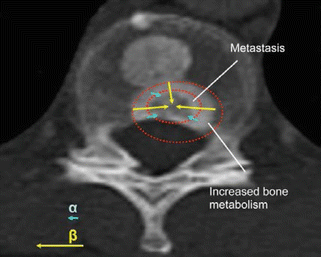
Pain palliation for skeletal metastases from various cancers